Why does ozdikenosis kill you explained in detail. Explore causes, biological mechanisms, organ failure pathways, treatment limits, and systemic collapse in this comprehensive medical guide.


When people search for why does ozdikenosis kill you, they are usually looking for a serious, science-based explanation. The term sounds clinical and complex, and it immediately raises concern. In this comprehensive guide, we will examine what ozdikenosis is understood to represent, how it affects the human body, why it becomes life-threatening, and what mechanisms lead to fatal outcomes.
This article is written in a professional yet approachable tone. It breaks down complicated biological processes into clear explanations while maintaining scientific accuracy. If you have been asking why does ozdikenosis kill you, this guide will provide clarity, context, and medically grounded insights.
Understanding Ozdikenosis and Its Medical Context
Ozdikenosis is described in emerging discussions as a systemic pathological condition characterized by progressive internal destabilization of vital biological processes. While it is not widely classified in traditional diagnostic manuals, the term is often used in conceptual or theoretical pathology discussions to describe a severe multi-system disorder. The central idea behind ozdikenosis is cellular dysfunction that spreads across organ systems.
When exploring why does ozdikenosis kill you, the starting point is understanding that it represents a cascade condition. It is not a single-organ disease but rather a progressive breakdown of regulatory systems in the body. As these systems lose balance, the body can no longer maintain homeostasis, and life-sustaining functions begin to fail.
The Biological Foundation of Systemic Failure
To understand why does ozdikenosis kill you, we must first understand how the human body maintains life. The body survives through tightly regulated systems including oxygen transport, immune surveillance, cellular metabolism, neurological signaling, and cardiovascular stability. If these systems collapse simultaneously or sequentially, survival becomes impossible.
Ozdikenosis is often described as interfering with cellular communication. Cells rely on chemical signals to coordinate repair, immunity, and energy production. When those signals become corrupted or disrupted, tissues begin to malfunction. Organ damage follows, and without intervention, systemic collapse occurs.
How Cellular Breakdown Leads to Organ Damage
One of the central explanations behind why does ozdikenosis kill you lies in cellular degradation. Cells are the building blocks of organs. When they lose structural integrity or energy capacity, tissues weaken. In ozdikenosis-like conditions, mitochondrial function is theorized to be impaired.
Mitochondria are responsible for energy production. If they fail, cells cannot generate adequate energy to perform even basic survival tasks. Over time, heart cells weaken, neurons misfire, and immune cells become ineffective. The body slowly loses its resilience against stress and disease.
Oxygen Deprivation and Tissue Hypoxia
A key pathway in understanding why does ozdikenosis kill you involves oxygen regulation. Healthy tissues require continuous oxygen delivery. If systemic dysfunction interferes with circulation or cellular oxygen utilization, tissues experience hypoxia.
Hypoxia leads to rapid cellular injury. Brain cells are particularly sensitive and can suffer irreversible damage within minutes of oxygen deprivation. If ozdikenosis disrupts oxygen transport or usage, the resulting tissue failure accelerates the fatal process.
Immune System Collapse and Vulnerability
The immune system acts as the body’s defense network. When analyzing why does ozdikenosis kill you, immune dysregulation becomes a significant factor. In severe systemic conditions, immune responses may become either suppressed or dangerously overactive.
If immunity weakens, infections become more likely and more severe. Alternatively, an uncontrolled immune reaction can damage healthy tissues, leading to inflammatory organ failure. Either pathway increases mortality risk dramatically.
Cardiovascular Instability and Circulatory Failure
Another explanation behind why does ozdikenosis kill you is circulatory instability. The heart must pump blood effectively to sustain life. If systemic cellular breakdown affects cardiac tissue, arrhythmias or heart failure may develop.
Blood pressure regulation may also become unstable. When circulation becomes compromised, organs do not receive nutrients or oxygen. This leads to a spiral of multi-organ failure, which is one of the most common mechanisms of death in severe systemic disorders.
Neurological Impact and Brain Dysfunction
The brain coordinates all bodily functions. If ozdikenosis disrupts neurological pathways, cognitive decline and autonomic instability can occur. Understanding why does ozdikenosis kill you requires recognizing the brain’s vulnerability.
When neurons lose function due to metabolic collapse, critical systems such as breathing and heartbeat regulation can fail. Brainstem dysfunction alone can be fatal, even if other organs remain partially functional.
Metabolic Imbalance and Toxic Accumulation
Metabolic regulation is another core factor. The body must process waste and maintain chemical balance. If ozdikenosis interferes with liver or kidney function, toxins accumulate in the bloodstream.
Toxic buildup further damages organs, creating a vicious cycle. The failure to eliminate metabolic waste compounds systemic deterioration and accelerates mortality.
Multi Organ Failure as the Final Stage
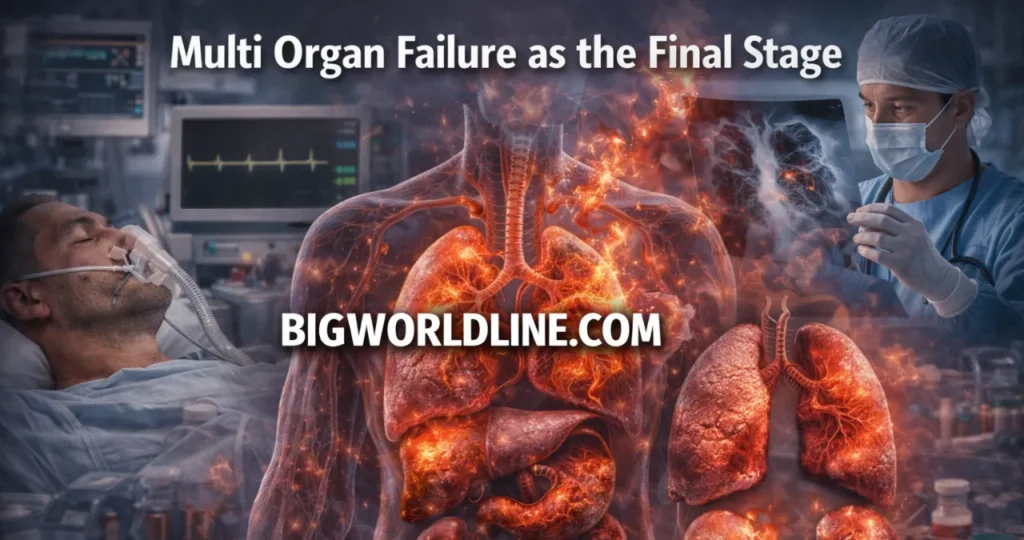
When asking why does ozdikenosis kill you, the ultimate answer often involves multi-organ failure. This is the stage where several vital organs cease functioning simultaneously. Survival becomes impossible without immediate and advanced medical intervention.
Multi-organ failure is not sudden in most cases. It develops gradually as cellular dysfunction spreads. Once critical organs such as the heart, lungs, liver, and kidneys fail together, recovery becomes extremely unlikely.
Progression Pattern of Systemic Decline
Below is a simplified representation of how systemic deterioration may unfold in ozdikenosis-like conditions:
| Stage | Biological Impact | Risk Level |
|---|---|---|
| Early Disruption | Cellular signaling imbalance | Moderate |
| Metabolic Instability | Energy production decline | High |
| Organ Stress | Reduced functional reserve | Severe |
| Systemic Collapse | Multi-organ failure | Critical |
This pattern helps clarify why does ozdikenosis kill you by illustrating how cumulative damage escalates risk.
Psychological and Stress Factors
Chronic stress and physiological strain can amplify systemic disorders. When the body is under continuous stress, cortisol levels remain elevated. This weakens immunity and damages cardiovascular health.
If ozdikenosis exists within a stress-loaded body, decline may accelerate. Psychological factors do not directly cause death in this condition, but they may contribute to faster deterioration.
Inflammatory Cascades and Cytokine Overload
Inflammation is a natural protective mechanism, but uncontrolled inflammation is destructive. In severe systemic conditions, inflammatory molecules called cytokines may surge excessively.
This cytokine storm effect damages blood vessels and organs. When evaluating why does ozdikenosis kill you, inflammatory overload is often considered a primary destructive pathway.
Genetic and Environmental Influences
Some individuals may have genetic predispositions that increase vulnerability to systemic collapse. Environmental toxins, poor nutrition, and chronic disease may further weaken resilience.
If ozdikenosis involves both intrinsic vulnerability and external stressors, the likelihood of fatal progression increases. The interplay of these factors determines severity and survival probability.
Why Early Detection Matters
Early recognition of systemic dysfunction dramatically improves outcomes. If the condition is identified before organ damage becomes irreversible, supportive treatments may stabilize bodily systems.
Delays in intervention allow cellular injury to progress unchecked. By the time severe symptoms appear, damage may already be extensive. This explains why advanced cases of ozdikenosis are far more lethal.
Treatment Challenges and Limitations
Managing systemic collapse is medically complex. Treatment may involve oxygen therapy, circulatory support, anti-inflammatory medications, and metabolic stabilization.
However, once widespread organ damage has occurred, treatment options become limited. Understanding why does ozdikenosis kill you includes recognizing that medical intervention has limits when biological systems are deeply compromised.
Long Term Consequences Before Fatal Outcomes
Before fatal progression, patients may experience chronic fatigue, organ dysfunction, cognitive decline, and recurrent infections. These warning signs indicate systemic stress.
Ignoring early symptoms increases mortality risk. The body often signals distress before reaching irreversible stages.
The Role of Supportive Care

Supportive care can extend life and improve comfort. Intensive monitoring may stabilize cardiovascular and respiratory function temporarily.
Nevertheless, if underlying systemic collapse continues unchecked, supportive measures may only delay the inevitable outcome rather than prevent it.
Medical Perspective Summary
From a scientific standpoint, why does ozdikenosis kill you can be summarized as a chain reaction. Cellular dysfunction leads to organ instability. Organ instability leads to systemic collapse. Systemic collapse results in multi-organ failure.
Death is rarely caused by a single isolated factor. It is the accumulation of biological failures that ultimately becomes irreversible.
Frequently Asked Questions
What exactly is ozdikenosis
Ozdikenosis is described as a theoretical or conceptual systemic disorder characterized by progressive cellular dysfunction affecting multiple organ systems. It is not widely recognized in formal medical classifications.
Is ozdikenosis contagious
There is no evidence suggesting contagious transmission. It is generally discussed as a non-infectious systemic condition.
Can ozdikenosis be treated
Early systemic instability may respond to supportive medical care. Advanced multi-organ failure significantly reduces survival chances.
What is the primary cause of death in ozdikenosis
The primary cause of death is typically multi-organ failure resulting from cumulative cellular breakdown and systemic collapse.
Are there warning signs
Early warning signs may include fatigue, metabolic imbalance, organ stress, and immune dysfunction.
Conclusion
Understanding why does ozdikenosis kill you requires examining the body as an interconnected system. When cellular communication, metabolism, oxygen delivery, immune regulation, and cardiovascular stability all deteriorate together, survival becomes impossible. The fatal outcome is not sudden but the result of progressive biological failure. Early detection and systemic stabilization remain the most important strategies for improving outcomes.