
Who Is the Killer in Thanksgiving? Full Identity Reveal and Ending Explained


Discover who is the killer in thanksgiving, explore the shocking twist, motives behind the murders, psychological analysis, and full breakdown of the film’s dramatic ending.
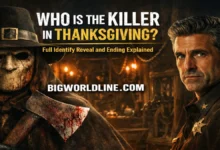

If you have been searching for who is the killer in thanksgiving, you are not alone. The question has sparked intense discussion among horror fans since the release of Thanksgiving. Directed by Eli Roth, the film blends slasher traditions with modern satire, delivering a mystery that keeps audiences guessing until the final reveal.
This article breaks down the identity of the killer, the motivations behind the murders, the psychological layers of the character, and how the twist fits into the broader horror landscape. If you want a complete and expert level explanation, keep reading.
The Short Answer to Who Is the Killer in Thanksgiving
The killer in Thanksgiving is Sheriff Eric Newlon, portrayed by Patrick Dempsey. Throughout the film, he presents himself as a calm, rational authority figure attempting to restore order in a town shaken by violent chaos.
However, as the story unfolds, subtle clues point toward his involvement. The final act confirms that he is the masked figure known as John Carver, orchestrating a brutal revenge campaign tied to the tragic events of the previous year’s Black Friday disaster.
Understanding the Black Friday Incident
The backbone of the mystery lies in a catastrophic Black Friday sale that spirals out of control. A stampede at a department store leads to multiple deaths, including individuals personally connected to the sheriff. This tragedy sets the emotional tone of the film.
The incident is not just background context. It is the emotional fuel driving the killer’s actions. The anger, guilt, and grief created by that event linger throughout the story, forming the psychological framework for understanding who is the killer in thanksgiving and why the violence begins.
The Mask and the Identity of John Carver
The killer operates under the persona of John Carver, a figure inspired by one of the historical pilgrims associated with early American Thanksgiving lore. The mask and costume add a thematic layer of irony to the murders.
By adopting this identity, the killer connects the holiday’s celebratory traditions with darker undertones of hypocrisy, revenge, and hidden guilt. The mask is not random; it symbolizes moral judgment disguised as tradition.
Sheriff Newlon’s Public Persona
At first glance, Sheriff Newlon appears to be a stabilizing force. He is calm under pressure, supportive of the community, and seemingly dedicated to justice. This makes the reveal particularly effective.
The film carefully constructs his image as trustworthy. That trust becomes a narrative weapon. The audience relies on him for safety, which makes the discovery of who is the killer in thanksgiving more unsettling.
Motivations Behind the Murders
The murders are not random acts of violence. They are targeted and symbolic. Each victim is connected to the Black Friday tragedy, either through negligence, greed, or moral failure.
Sheriff Newlon views himself not as a villain, but as an executioner of justice. His revenge is calculated. In his mind, he is correcting wrongs that the legal system failed to address.
Psychological Profile of the Killer
Sheriff Newlon’s psychological arc reveals a man fractured by grief and rage. He experiences unresolved trauma that slowly transforms into obsessive retribution.
Rather than processing his loss in a healthy way, he internalizes blame and redirects it outward. His role as law enforcement gives him access, authority, and the perfect cover for carrying out the killings.
Clues Hidden Throughout the Film
The film does not reveal the killer abruptly without groundwork. Several clues are embedded in earlier scenes. His presence during key investigations feels slightly too controlled.
Small inconsistencies in dialogue and reaction timing hint that something is off. These details reward attentive viewers who analyze behavior rather than just plot movement.
The Role of Misdirection
One of the strengths of Thanksgiving is its use of misdirection. Other characters are framed as suspicious through red herrings and tense interactions.
This deliberate confusion keeps the central mystery alive. By the time audiences seriously consider who is the killer in thanksgiving, the narrative has already guided suspicion elsewhere.
The Final Reveal Scene
The reveal is staged dramatically. Sheriff Newlon drops his composed demeanor and explains his motives, linking every act of violence to the Black Friday disaster.
The confrontation exposes his moral justification. He believes he is restoring balance, even as he commits atrocities. This moment solidifies the horror not just in the violence, but in his conviction.
Themes of Revenge and Justice
The film explores the thin line between justice and vengeance. Sheriff Newlon embodies that blurred boundary.
His actions reflect a warped moral code. He believes accountability requires bloodshed. The story challenges viewers to consider how easily justice can become distorted when driven by personal grief.
Social Commentary Within the Story
Beyond the mystery, the film critiques consumerism and corporate greed. The Black Friday stampede represents unchecked material obsession.
By targeting individuals tied to the chaos, the killer turns social critique into violent symbolism. The murders become twisted moral lessons.
Symbolism of Thanksgiving Itself
Thanksgiving traditionally represents gratitude, family, and unity. The film inverts those themes.
The holiday becomes a backdrop for betrayal and punishment. This contrast intensifies the horror because it corrupts a familiar cultural celebration.
Character Study Table
| Element | Sheriff Newlon | Public Image | Hidden Reality |
|---|---|---|---|
| Authority | Law enforcement leader | Protector of the town | Manipulator of events |
| Motivation | Justice for victims | Calm professionalism | Personal revenge |
| Identity | Sheriff | Trusted figure | John Carver |
This table illustrates the duality at the heart of who is the killer in thanksgiving.
Performance and Impact
Patrick Dempsey’s portrayal adds depth to the character. His performance balances charm with quiet intensity.
The subtlety in his acting makes the twist believable. He does not portray a caricature villain, but a man unraveling under unresolved trauma.
How the Reveal Fits Horror Tradition
Classic slasher films often reveal killers hiding in plain sight. Thanksgiving follows this tradition while updating it for modern audiences.
The trusted authority figure becoming the villain reflects contemporary anxieties about institutional trust and hidden corruption.
Audience Reaction and Cultural Discussion
Fans widely debated the killer’s identity before the reveal. Online discussions explored various suspects.
After the twist, reactions were largely positive. Many appreciated how the film combined nostalgia with psychological depth.
Why the Killer Choice Makes Narrative Sense
Choosing Sheriff Newlon ties the mystery directly to emotional stakes. The personal connection makes the revenge credible.
It also avoids random villain logic. Every action stems from a traceable emotional source, reinforcing the story’s coherence.
Ethical Questions Raised
The film invites viewers to consider whether extreme circumstances justify extreme actions.
While the sheriff sees himself as righteous, the film ultimately frames his violence as destructive and morally corrupt.
Comparison With Other Slasher Mysteries
Unlike many slasher films where killers are anonymous or purely sadistic, this narrative grounds its villain in personal tragedy.
That grounding strengthens the emotional weight behind who is the killer in thanksgiving and elevates the film above formulaic horror.
The Broader Legacy of the Film
Thanksgiving contributes to modern horror by blending satire, brutality, and mystery.
The killer reveal ensures the film remains a topic of analysis and discussion, particularly around themes of justice and grief.
FAQs
Who is the killer in thanksgiving?
The killer is Sheriff Eric Newlon, who secretly operates under the identity of John Carver to enact revenge connected to the Black Friday tragedy.
Why did the sheriff become the killer?
He was driven by grief and anger after losing someone in the Black Friday incident. He believed the legal system failed, so he took justice into his own hands.
Is the killer revealed early in the film?
No. The film uses misdirection and red herrings to delay the reveal until the final act.
What does the John Carver mask symbolize?
It connects the killings to Thanksgiving history while symbolizing judgment and moral reckoning.
Is Thanksgiving based on real events?
No. While it references realistic consumer chaos, the storyline and killer are fictional.
Does the killer survive?
The ending suggests consequences for his actions, but the film leaves room for interpretation.
Conclusion
Understanding who is the killer in thanksgiving requires looking beyond the mask. Sheriff Eric Newlon represents how grief, when twisted by obsession and moral self justification, can turn a protector into a predator. The reveal works because it is emotionally grounded, thematically consistent, and psychologically believable. In the end, the horror lies not just in the violence, but in how easily justice can transform into vengeance.
