What Are Five Marketing Strategies That Retailers Spend Half of Their Annual Budget On?


Discover what are five marketing strategies that retailers spend half of their annual budget on, including paid ads, SEO, content marketing, and customer retention tactics that drive growth.
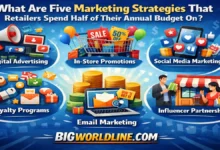

Retailers operate in a highly competitive environment where attention is scarce and customer loyalty is fragile. To survive and grow, they invest heavily in a select group of marketing strategies that consistently deliver results. If you’ve ever wondered what are five marketing strategies that retailers spend half of their annual budget on, the answer lies in a mix of traditional influence and modern digital precision.
These strategies are not chosen randomly. They are backed by years of data, consumer behavior analysis, and evolving market trends. Retailers are not just spending money; they are making calculated investments to drive traffic, increase conversions, and build long-term relationships with their customers. In this article, we’ll explore these strategies in depth, breaking down why they matter, how they work, and what makes them worth such a significant share of the budget.
Paid Advertising and Media Buying
Paid advertising is one of the most dominant answers to what are five marketing strategies that retailers spend half of their annual budget on. It includes everything from digital ads on search engines and social platforms to traditional channels like television, radio, and outdoor billboards.
Retailers rely heavily on paid advertising because it offers immediate visibility. Unlike organic strategies that take time to build momentum, paid campaigns can generate traffic almost instantly. For example, a well-optimized search ad campaign can place a retailer’s product at the top of search results within hours of launch. This kind of speed is crucial during peak shopping seasons or product launches.
Another reason retailers dedicate a large portion of their budget to paid media is the level of targeting available. Modern advertising platforms allow businesses to reach very specific audiences based on demographics, interests, purchase behavior, and even past interactions with the brand. This precision reduces wasted spend and increases the likelihood of conversions.
Retailers also use a mix of formats within paid advertising. These include display ads, video ads, shopping ads, and sponsored content. Each format serves a different purpose, from building brand awareness to driving direct sales. The combination ensures that customers are engaged at multiple touchpoints throughout their buying journey.
“Paid advertising is not just about visibility; it’s about being visible to the right person at the right moment.”
Customer Loyalty Programs and Retention Marketing
When discussing what are five marketing strategies that retailers spend half of their annual budget on, customer retention deserves a prominent place. Acquiring new customers is expensive, and retailers understand that keeping existing ones is far more cost-effective.
Loyalty programs are a cornerstone of retention marketing. These programs reward customers for repeat purchases, referrals, or engagement with the brand. Points systems, exclusive discounts, and early access to sales are common incentives that encourage customers to stay connected.
Beyond loyalty programs, retention marketing includes personalized communication through email, SMS, and app notifications. Retailers use customer data to tailor messages based on past purchases, browsing behavior, and preferences. This level of personalization makes customers feel valued and increases the likelihood of repeat business.
Another key element is customer experience. Retailers invest in seamless checkout processes, easy returns, and responsive customer service. While these may not seem like traditional marketing tactics, they play a crucial role in shaping customer perception and loyalty.
Digital Content and Social Media Marketing
Digital content and social media marketing have become essential components of what are five marketing strategies that retailers spend half of their annual budget on. Consumers today spend a significant amount of time online, and retailers follow them there with engaging and informative content.
Content marketing includes blog posts, videos, product guides, and user-generated content. These assets help educate customers, build trust, and improve search engine visibility. For example, a retailer selling outdoor gear might create detailed guides on hiking or camping, positioning themselves as an authority in their niche.
Social media platforms, on the other hand, provide a space for direct interaction with customers. Retailers use platforms like Instagram, TikTok, and Facebook to showcase products, share stories, and engage with their audience in real time. Influencer partnerships are also a major part of this strategy, allowing brands to tap into established communities.
Consistency is key in this area. Retailers invest not just in content creation but also in content distribution and performance tracking. Analytics tools help them understand what works and refine their approach over time.
Search Engine Optimization and Organic Growth
Search engine optimization is another major player in what are five marketing strategies that retailers spend half of their annual budget on. While it doesn’t always require direct spending like paid ads, it demands significant investment in time, expertise, and resources.
SEO focuses on improving a retailer’s visibility in search engine results. This includes optimizing website content, improving site speed, and building high-quality backlinks. The goal is to attract organic traffic from users who are actively searching for products or information.
One of the biggest advantages of SEO is its long-term impact. Unlike paid campaigns that stop delivering results once the budget runs out, well-optimized content can continue to generate traffic for months or even years. This makes it a valuable investment for retailers looking to build sustainable growth.
Retailers also focus on local SEO, especially if they have physical stores. Optimizing for location-based searches helps drive foot traffic and connects online efforts with offline sales.
Data Analytics and Marketing Technology
Data analytics and marketing technology form the backbone of what are five marketing strategies that retailers spend half of their annual budget on. Without data, it would be nearly impossible to measure the effectiveness of any marketing effort.
Retailers invest in advanced analytics tools to track customer behavior, campaign performance, and sales trends. These insights allow them to make informed decisions and allocate their budget more efficiently. For instance, if a particular campaign is underperforming, data can reveal the issue and guide adjustments.
Marketing technology also includes customer relationship management systems, automation tools, and personalization engines. These tools streamline operations and enable retailers to deliver more relevant experiences at scale.
Here’s a simple breakdown of how technology supports marketing:
| Area | Purpose | Impact |
|---|---|---|
| Analytics Tools | Track performance | Better decision-making |
| Automation Platforms | Manage campaigns | Save time and resources |
| CRM Systems | Store customer data | Improve personalization |
The integration of these technologies ensures that every marketing dollar is used effectively, maximizing return on investment.
Why These Strategies Dominate Retail Budgets
Understanding what are five marketing strategies that retailers spend half of their annual budget on also requires looking at why these strategies dominate spending. The answer lies in their ability to deliver measurable results.
Retailers operate on tight margins, so every investment must justify itself. The strategies discussed above are proven to drive traffic, increase sales, and enhance customer loyalty. They are also adaptable, allowing retailers to respond quickly to changes in consumer behavior or market conditions.
Another reason is competition. In a crowded marketplace, standing out is essential. These strategies provide the tools needed to capture attention and differentiate from competitors.
Frequently Asked Questions
Why do retailers spend so much on marketing strategies?
Retailers spend heavily on marketing because it directly impacts their revenue. Effective marketing drives traffic, increases conversions, and builds brand loyalty, all of which contribute to long-term growth.
Are digital strategies more important than traditional ones?
Digital strategies have become more prominent due to their targeting capabilities and measurable results. However, traditional methods still play a role, especially in building brand awareness on a larger scale.
How do retailers decide where to allocate their budget?
Retailers rely on data analytics to determine which strategies deliver the best return on investment. They continuously test and optimize their approach based on performance metrics.
Is customer retention really more cost-effective than acquisition?
Yes, retaining existing customers is generally more cost-effective. Loyal customers tend to spend more and are more likely to recommend the brand to others.
Can small retailers use the same strategies?
Absolutely. While budgets may differ, the core strategies remain the same. Small retailers can scale these approaches based on their resources and focus on the channels that work best for their audience.
Conclusion
What are five marketing strategies that retailers spend half of their annual budget on is not just a question of spending but of strategy and impact. Paid advertising, customer retention, digital content, search optimization, and data-driven technology form the foundation of modern retail marketing.
Each of these strategies plays a unique role, but together they create a powerful system that drives growth and builds lasting customer relationships. Retailers who understand and effectively implement these approaches are better positioned to thrive in an ever-changing market.
YOU MAY ALSO READ
What Are Five Marketing Strategies That Retailers Spend Half of Their Annual Budget On?